
Understanding Security Deposits in California: What “Wear and Tear” Really Means for Deductions

John Wilds • May 9, 2025

In our last post, we discussed the general rules around deductions and the importance of documentation. Here, we're taking a closer look at one of the most misunderstood aspects of the process: defining "wear and tear" and how it affects what can–and can't–be deducted after a tenant moves out.


Here's what every landlord needs to know:

🔧 What Is Considered Normal Wear and Tear in a California Rental?

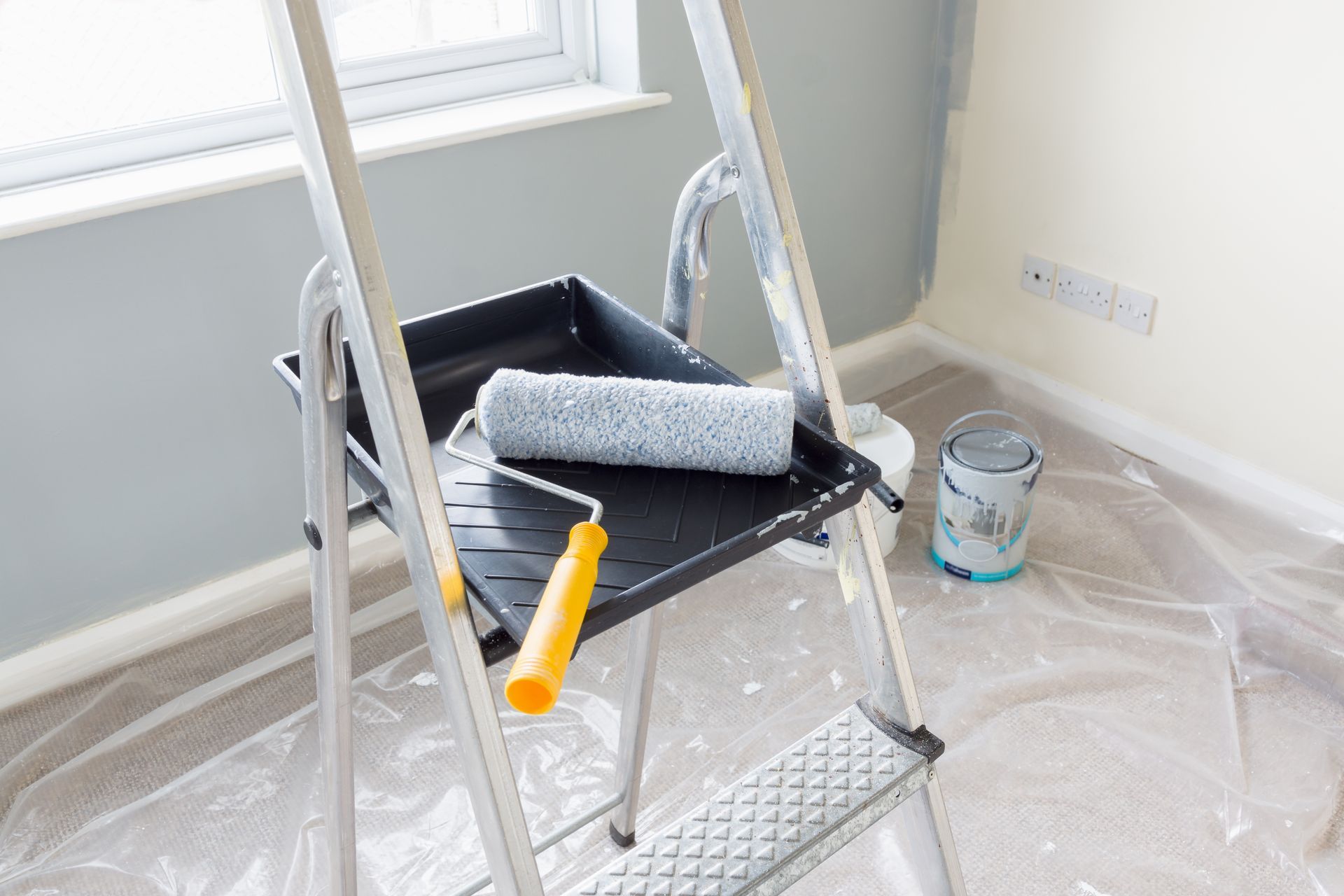
Normal wear and tear refers to the gradual deterioration of a property over time due to everyday use. This can include:

  • Minor carpet wear in high-traffic areas
  • Small nail holes or minor scuffs on walls
  • Faded or chipped paint
  • Dust or dirt buildup (e.g., on blinds or baseboards)


Even if it feels like a cleaning issue, California courts often categorize these conditions as normal, meaning you can’t deduct for them.

📸 California Landlord Requirements for Documenting Security Deposit Deductions in 2025

With new laws in effect, documentation is more important than ever when it comes to security deposit deductions in California. As of 2025, landlords are required to provide photographic proof of the unit’s condition both at move-in and move-out.


To properly distinguish normal wear and tear from tenant-caused damage, landlords should use:

  • Move-in and move-out photos
  • Detailed inspection checklists
  • Timestamped digital records
  • Receipts for repairs or cleaning


If the damage can’t be visually captured (such as mild staining, dust buildup, or general wear) it’s unlikely to hold up as a valid deduction. Visual documentation protects both landlords and tenants and helps avoid costly disputes.

📉 California Security Deposit Deductions and Depreciation Rules

Landlords can’t charge tenants the full replacement cost of an item that has naturally depreciated. Here are some general lifespan estimates:

  • Paint: 2–3 years
  • Carpet: 5 years
  • Blinds: 2–5 years (depending on quality)


For example, if the carpet is already 4 years old, and there’s damage, only a prorated cost (not full replacement) may be deducted.

🔍 Can Landlords Charge for Partial Damage in California?

California law prohibits charging tenants for full replacement if only part of a material or unit is damaged. If original materials are no longer available for a perfect match, you can still only deduct for the actual damage.


Examples:

  • A torn section of carpet ≠ charge for entire flooring
  • One cracked tile ≠ full bathroom renovation


Fairness and proportionality are key.

➡️ Coming Up Next: Legal Limits on California Security Deposit Deductions

In our next post, we'll take a closer look at how the legal landscape shapes our decision-making process-specifically, how tenant protections and legal precedent influence what we can fairly and reasonably deduct.


Stay tuned!


Understanding these rules can help both landlords and tenants avoid conflict and maintain a fair, transparent rental process. If you have questions about security deposits, it’s always a good idea to consult California landlord-tenant laws or seek legal advice. We’re happy to answer general questions and help you feel confident about managing your rental.

John Wilds, President

Tranquility Property Management & Real EstateServices

john@tranquilitysandiego.com

Search

Follow Us

Recent Posts

Trusted vendor network for property management in La Mesa and San Diego
By John Wilds March 20, 2026
Trusted vendor relationships make a difference. Learn how our La Mesa property management team helps rental owners avoid costly repairs and protect their investment.
By Aaron Duggan March 2, 2026
Over the years, we’ve spent a lot of time talking about residents, and for good reason . People who feel secure in their housing tend to stay longer, take pride in where they live, and contribute to the neighborhoods they’re part of. That’s beneficial for communities, and it’s also beneficial for rental property owners. But lately, there’s been more conversation around what it means to be pro-housing. And while building more homes is part of that solution, it’s also important to talk about the people who provide the rental housing that already exists in communities like La Mesa and throughout San Diego County. A recent opinion piece in the Times of San Diego, You Can’t Be Pro-Housing and Ignore the People Who Provide It , highlights something we see every day in our work as a local property management company. Most rental housing in San Diego isn’t owned by large corporations. It’s owned by individuals and community members. In fact, despite growing public attention on institutional investment in housing , research suggests that large institutional investors own fewer than 5% of detached single-family homes locally and may not be a dominant driver of overall housing costs in San Diego. Nationally, the single-family rental market remains overwhelmingly dominated by individual owners. According to recent BatchData analysis, 89.6% of single-family rental homes are owned by “mom-and-pop” landlords who hold between one and five properties . People renting out a condo they once lived in, a home they inherited, a duplex purchased as part of a retirement plan, or a single investment property meant to help build long-term financial stability.
San Diego rental property managed professionally
By John Wilds February 12, 2026
Discover how professional property management saves landlords money through compliance, preventative maintenance, tenant retention, and reduced vacancy.
By Aaron Duggan February 3, 2026
2025 was a busy one at Tranquility. Behind the scenes, it was filled with everyday moments that make up property management: maintenance requests, move-ins, move-outs, showings, conversations, and problem-solving. All the things that keep homes running smoothly and communities supported (plus a few fun moments and life milestones sprinkled in).
By John Wilds December 15, 2025
California lawmakers didn’t take it easy this year. A record number of new housing laws were passed in 2025, and several go into effect on January 1, 2026, directly impacting rental property owners. The good news? We’re already on it. At Tranquility Property Management, we closely track legislative changes so your properties stay compliant, protected, and well-positioned—without you needing to read through pages of legal language. Here’s a clear, landlord-friendly breakdown of the most important updates.

Share this post

Trusted vendor network for property management in La Mesa and San Diego
By John Wilds March 20, 2026
Trusted vendor relationships make a difference. Learn how our La Mesa property management team helps rental owners avoid costly repairs and protect their investment.
By Aaron Duggan March 2, 2026
Over the years, we’ve spent a lot of time talking about residents, and for good reason . People who feel secure in their housing tend to stay longer, take pride in where they live, and contribute to the neighborhoods they’re part of. That’s beneficial for communities, and it’s also beneficial for rental property owners. But lately, there’s been more conversation around what it means to be pro-housing. And while building more homes is part of that solution, it’s also important to talk about the people who provide the rental housing that already exists in communities like La Mesa and throughout San Diego County. A recent opinion piece in the Times of San Diego, You Can’t Be Pro-Housing and Ignore the People Who Provide It , highlights something we see every day in our work as a local property management company. Most rental housing in San Diego isn’t owned by large corporations. It’s owned by individuals and community members. In fact, despite growing public attention on institutional investment in housing , research suggests that large institutional investors own fewer than 5% of detached single-family homes locally and may not be a dominant driver of overall housing costs in San Diego. Nationally, the single-family rental market remains overwhelmingly dominated by individual owners. According to recent BatchData analysis, 89.6% of single-family rental homes are owned by “mom-and-pop” landlords who hold between one and five properties . People renting out a condo they once lived in, a home they inherited, a duplex purchased as part of a retirement plan, or a single investment property meant to help build long-term financial stability.
San Diego rental property managed professionally
By John Wilds February 12, 2026
Discover how professional property management saves landlords money through compliance, preventative maintenance, tenant retention, and reduced vacancy.
Show More